A DIVISION OF VISION: CAN YOU SEE HOW I FEEL? | H. ELIZ SNOWCARP
A Division of Vision: Can You See How I Feel? | H. Eliz Snowcarp
March 6 – March 29, 2026 | Focus Gallery
Reception: Friday, March 6, From 5:30 – 7:30 P.M.
Welcome and artist introductions at 6:00 P.M.
A Division of Vision: Can You See How I Feel asks a deceptively simple question. Vision is not just what we see—it is how we understand, how we feel, and how we are invited into meaning. This exhibition explores what happens when sight is no longer the primary gatekeeper to art, and when touch and curiosity take the lead.
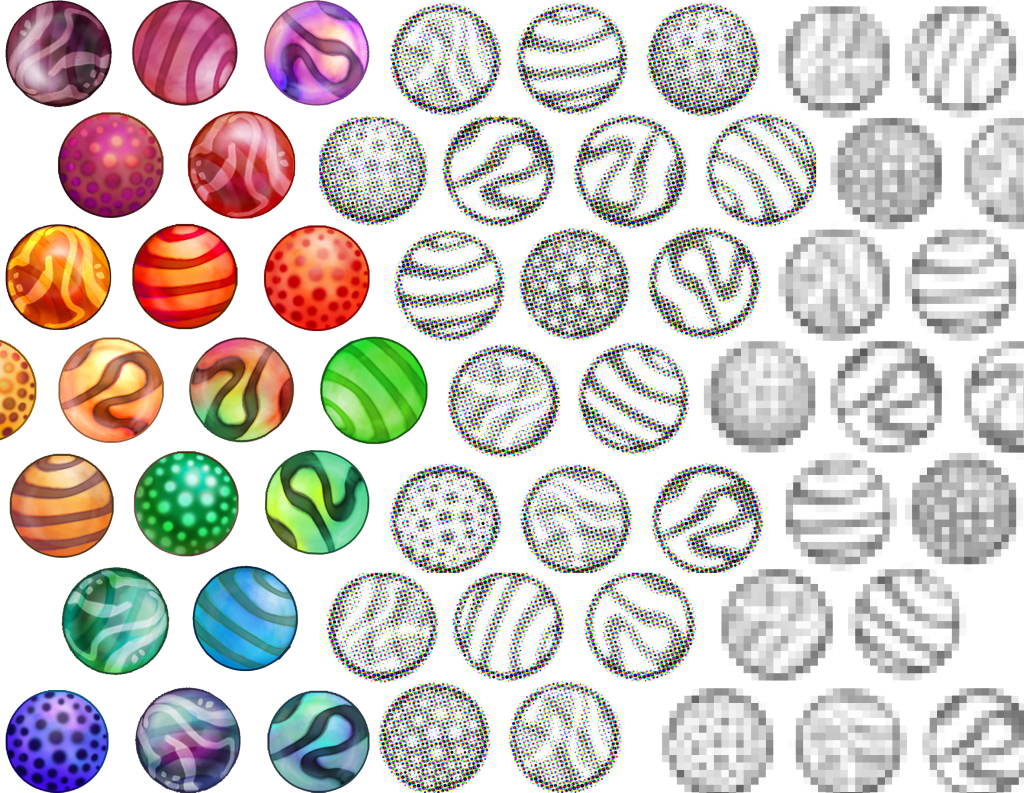
In second grade, Eliz Snowcarp was identified as both dyslexic and Talented and Gifted (TAG), placing her in the top 2% of her peers. These labels—often treated as opposites—arrived simultaneously, revealing early on that difference and ability are not contradictions, but two sides of the same coin. Snowcarp also grew up with a visual condition known as Visual Snow, which affects about 2–3% of people, causing her to see the world through tiny, flickering, colorful dots—like static on a television or the work of pointillist painters. Together, these layered ways of seeing shaped how Snowcarp learned and navigated the world, where perception was never singular and access was often uneven.
Art became a primary language—one not confined to text or fluency, but rooted in material, process, and play. From an early age, Snowcarp questioned why so many people stop making art as they grow older, how creativity becomes assigned to a select few, and why self-expression is so often relinquished in favor of specialization. If we are all artists as children, when—and why—do we decide otherwise?
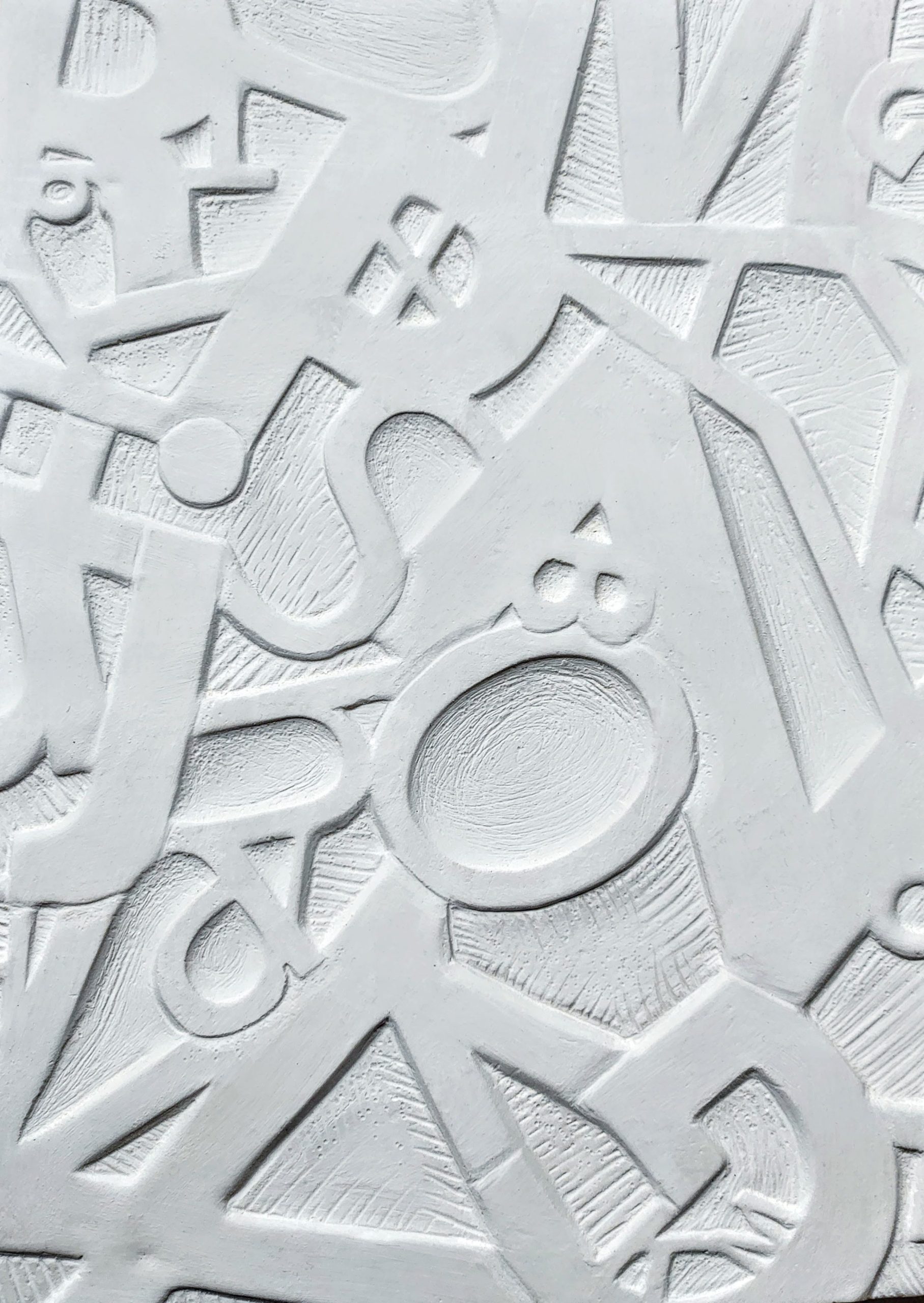
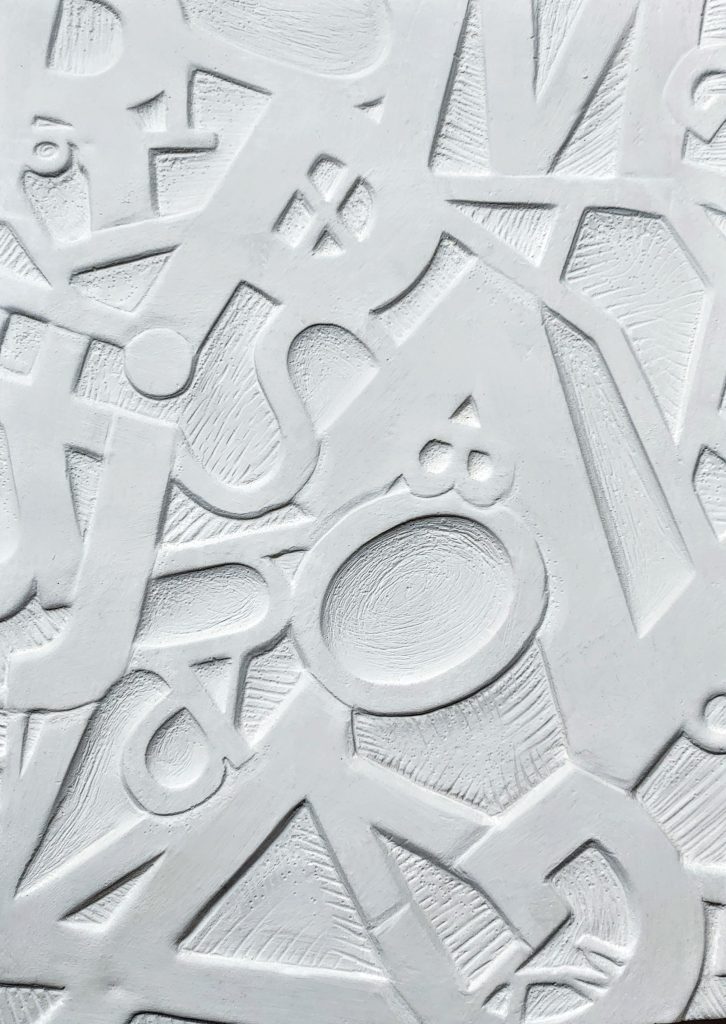
These ideas came into focus while working at ViewPlus Technologies, where Snowcarp served as lead artist on tactile, embossed textures on full-color illustrations and touch-responsive graphics on IVEO Touchpads. Students were able to independently access lesson plans for the first time in K–5 curriculum for the fields of Math, Health, and Science, without an adult mediating their experience. This adaptive design was transformative—not only for blind students, but for Snowcarp as well, as she recognized its potential to benefit a broader audience, including learners like herself who are on the neurodivergent spectrum—demonstrating that multimodal engagement deepens understanding for everyone. What begins as accommodation becomes engagement; what begins as access becomes invitation.
A Division of Vision brings these ideas into the gallery and directly addresses the ways fine art spaces and museums can feel exclusionary. Exclusion can stem from many places: the content being shown, physical access to the space itself, or the unspoken rules of behavior once inside. In museums especially, objects of everyday use are preserved, guarded, and placed behind glass—meant to be viewed but not touched—despite having once been held, used, and lived with.
This exhibition challenges that separation. The works are intentionally hands-on: visitors are encouraged to touch, explore, and create tactile embossed artworks themselves. By shifting away from a strictly sight-based experience, the show questions who art is for, how meaning is formed, and how access itself shapes our relationship to art.
Snowcarp’s practice is grounded in the belief that when we design for those with the least access, we create richer, more playful, and more meaningful experiences for all. Art can become a shared visual language—and if we take a deeper look at how we use that language, think more broadly about how to teach, share, and explore it, we expand the richness of ideas and the complexity of the world. Art does not require permission, training, or a single way of seeing—it asks only for engagement.
Have you ever felt excluded?
What does inclusion feel like to you?
Can you see how I feel?


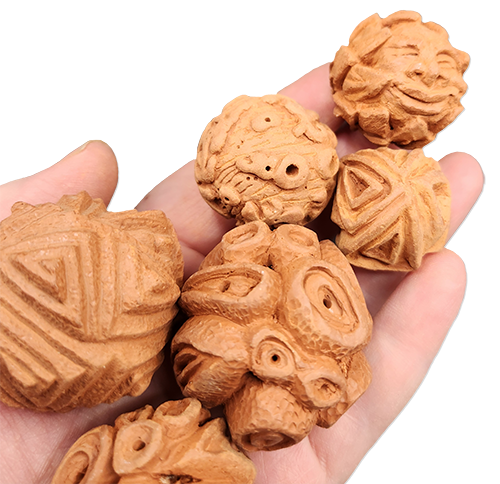
Answer three anonymous (yes)/ (no) questions. For every yes a different colored and textured bead is added to community art piece.
If you are not able to attend the show you are encouraged to respond online from wherever you are in the world.
About the artist
As a graduate of the School of the Art Institute of Chicago with focuses in art history, ceramics, and social justice art education, and a professional background in tactile visual art for the blind and visually impaired, H. Eliz uses art as her vehicle of engagement. She is working to harness simple gestural strokes to trigger shared understandings, memories, and feelings. “I use my art to teach appreciation in alternative means – experiencing and expressing life through the investigative, curious, and imaginative power of play. My art is more than object, it is an invitation.”
H. Eliz IV
Artist interview: Excerpt from Talking About Art with Joel Zak as part of the 2025 Salem Reads Exhibit at the Salem Public Library
 Spanish
  English