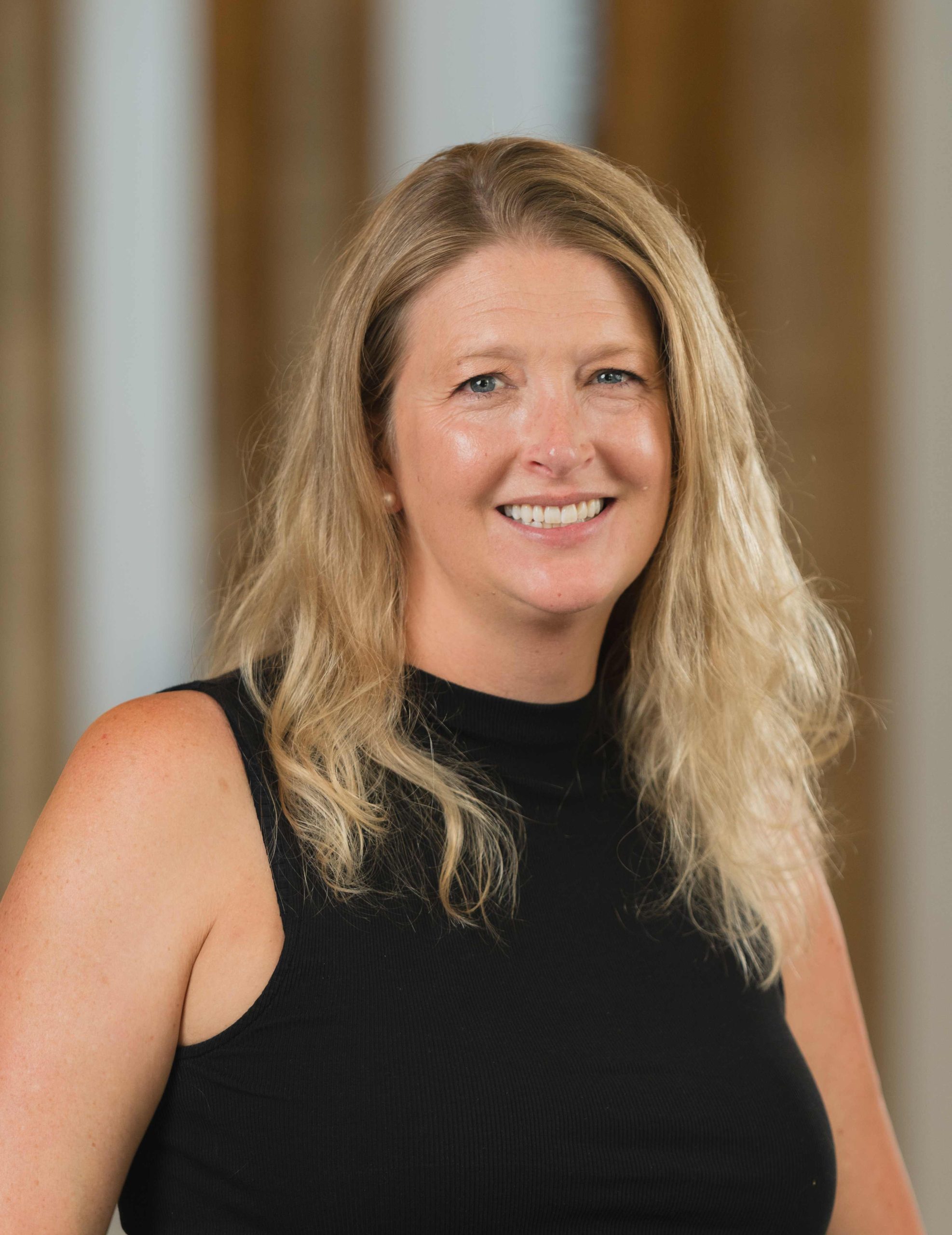
LAUREL REED PAVIC -CURATORS TALK WITH
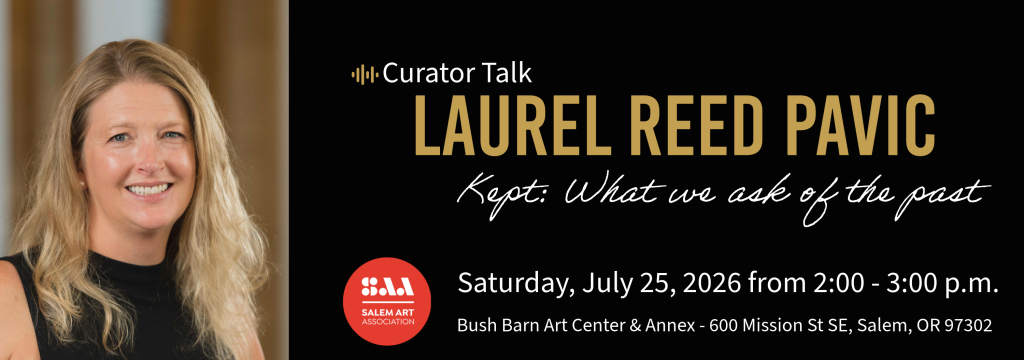
LAUREL REED PAVIC – CURATOR TALK
Saturday, JulY 25, 2:00 p.m. – 3:00 p.m.
Free and open to the public
Join us for a curator talk!
Kept: What we ask of the past displays objects from the storage spaces of Oregon historical societies to consider what we’re keeping and why. In this gallery talk, Laurel Reed Pavic trains the exhibition’s framework on a single family heirloom – one that was maybe hidden in a toilet and definitely kept in a safety deposit box for sixty years. How do the things we keep illustrate, justify, or sometimes complicate the stories we want to tell ourselves about ourselves?
RSVPs are not required, but help us arrange the space. Please RSVP here so that we may set the room with the appropriate amount of chairs. Thank you!
Laurel Reed Pavic is an art historian, educator, and writer whose work explores the intersections of art, history, identity, and cultural heritage. She received her PhD in Art History, Theory, and Criticism from the University of California, San Diego, in 2009. Her doctoral research focused on painting in 15th- and 16th-century Dalmatia, examining how artists and artworks have been interpreted differently over time in response to changing scholarly perspectives and political contexts. This research sparked a lasting interest in the ways art is used to shape narratives of cultural patrimony, nationalism, and identity.
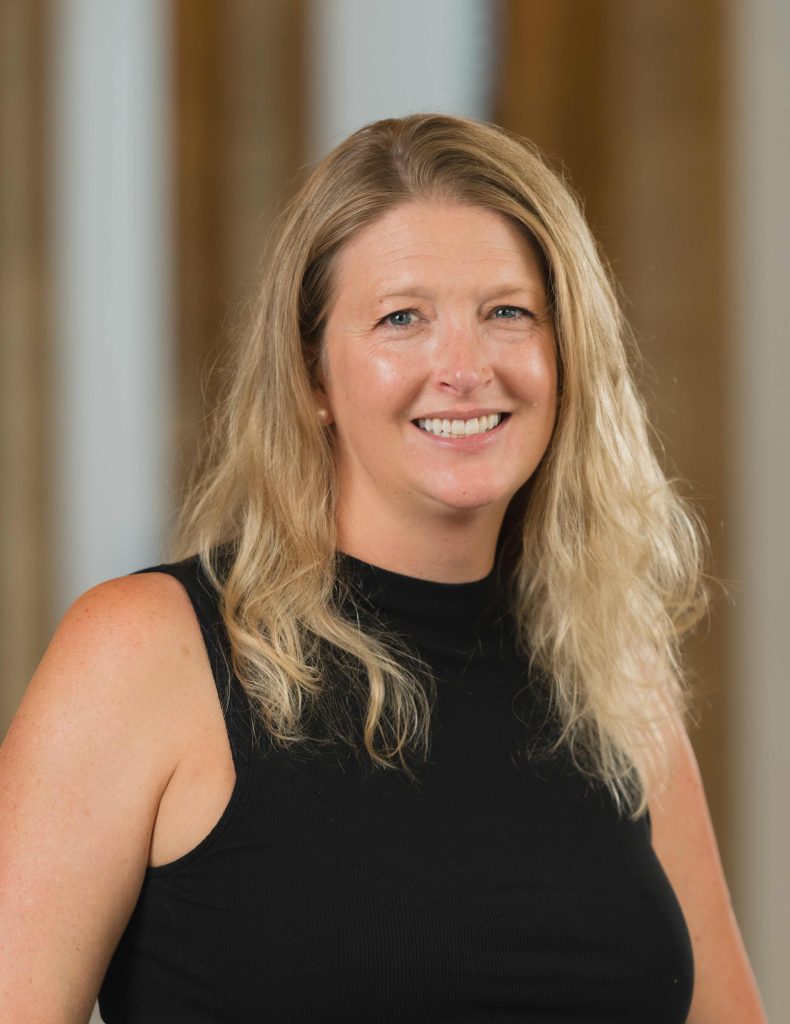
Laurel teaches at the Pacific Northwest College of Art (PNCA), where her courses include the history of printed matter, modernism, protest art, and the multiple. Known for fostering lively discussion and collaborative learning, she creates classroom environments that encourage curiosity, critical thinking, and active engagement.
Beyond the classroom, Laurel is committed to supporting Portland and Oregon’s vibrant arts community. She serves as the Visual Arts Editor at Oregon ArtsWatch, where she writes reviews and essays on contemporary art and culture. Through her teaching, writing, and editorial work, she seeks to make art history relevant, accessible, and meaningful by connecting historical perspectives with contemporary cultural conversations.
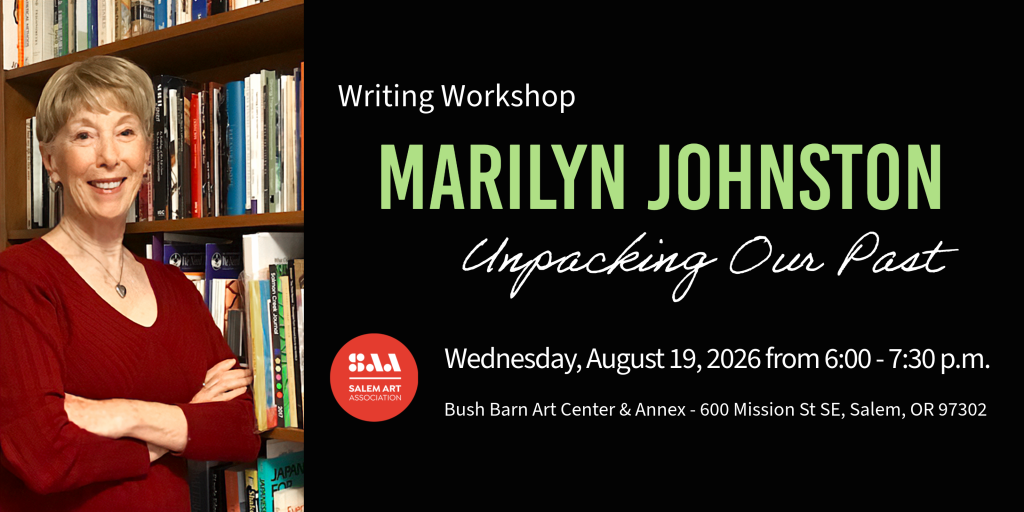
Love the Curators talk? Explore more with a creative writing workshop
This is a creative writing workshop, in keeping with the current SAA art exhibit, “Kept: What We Ask of the Past”.
 English
  Spanish